top of page

Portfolio

A selection of some recent works and services offered, showcasing examples of garden care, pruning, and restoration - before and after shots that reflect thoughtful process and practical results.


Each job is approached with care, tailored to the needs of the space, and grounded in sustainable horticultural practice.

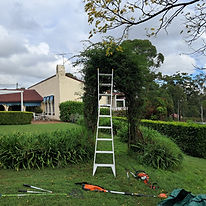
Pruning

Rosa banksiae - Lady Banks' Rose

A fast growing, scrambling or rambling and climbing rose with stems that are mostly thornless.


Flowering from early spring into early summer once per year.


A profuse display of large clusters of small and mildly fragrant, pale yellow or white single flowers (sometimes double flowers).

Pruning roses maintains it's form and the desired shape, prevents from disease and decay, encourages healthy new growth and prolific flowering.


Different rose species have their own unique pruning requirements. It is important to get to know your roses.


Roses that are repeat flowering during the warmer months or all year flowering are generally be pruned in winter, as they flower from new growth.


Lady Banks' Rose is ideally pruned in mid summer as soon as possible after flowering, as it flowers on the previous season's growth.

Hedges

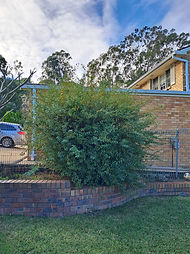
Formal flowering screen hedge


Be​fore: Late winter, just after flowering; Camellia sasanqua.


Hedge maintained it's primary function as a screening between the tennis court and swimming pool area.


However it had become slightly tall, overgrown and a bit leggy and was ready for a structural refresh.

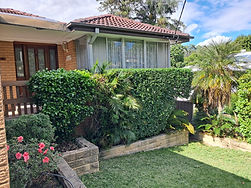
After: Post-prune the hedge presents a clean, upright form while retaining natural texture.


Height and density preserved to support next season's flowering and maintain privacy.

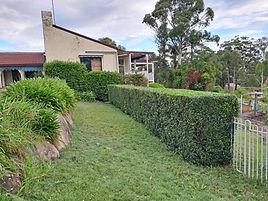
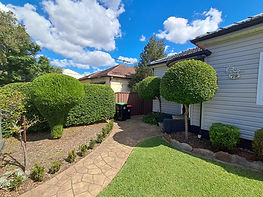
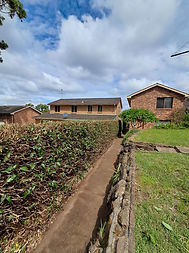
Formal flowering screening hedge

Before: Late winter, before spring and summer growth flush. Murraya paniculata - Orange Jasmine.

Hedge was in very good health. It required a reduction in height and to restore the desired shape.

Pruning Murraya 2 to 3 times per year will ensure a strong, dense and bushy growth form, but also promote flowering during the warmer months of spring and summer.

After: Desired height, shape and form achieved.

Flowering: Clusters of creamy white flowers with a very fragrant scent of Orange Jasmine in spring and early summer.

After the first round of flowering the hedge can be trimmed back again.

In late summer and early autumn you often see a second round of flowering, especially following warm periods of weather with increased rainfall.

Integrated Weeds Management

I take an integrated approach when undertaking management and control of weeds. 

An integrated approach is to look at a number of ways that can be unified to manage weeds effectively and reduce reliance and dependance on chemicals alone.

Some of steps include using my tools and by hand to physically remove and bag the weeds, seeds and unwanted plant particles.

Cleaning tools and equipment to be sure not to transport the spread from place to place or trying to reduce the spread from the source once identified.


We also look at ways to minimise or suppress future weed growth.  For example by carefully ensuring much of the seeds and other plant materials are removed to try prevent them re-seeding or plant matter taking root again. 

Planning like properly mulching garden beds.

Regular maintenance, such as weeding areas or mowing turf before weeds flower and seeds begin to form.


Some of the many obnoxious weeds present in this reserve, backing onto a creek in the Parramatta/Dundas region; Balloon Vine, Moth Vine, Madeira Vine

The applying of herbicides is also a crucial and very important step in the reduction and prevention of weeds.


But it must be done in a targeted and stretegic way to be effective and prevent weed resistance not just now, but in the future.

As an AQ3 ChemCERT accredited handler, I have a thorough understanding of weeds and pest treatment options, legislation and standards in line with NSW Gov Weedwise.

I always take the time to ask questions and listen to the client. 


My aim is to always take the safest, yet most effective way to achieve the desired outcome without taking any shortcuts.

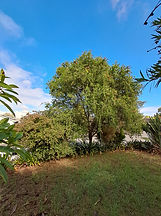
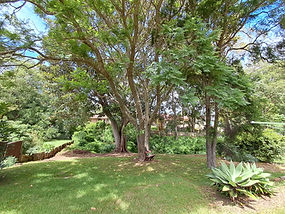
Ficus macrophylla - Moreton Bay Fig

Turf Laying & Lawn Establishment

A healthy lawn starts with solid groundwork. I focus on proper soil prep, clean edges, and even coverage to create turf that lasts. Whether it's a fresh install or a repair, each job is built around the site and season. I also offer seasonal maintenance to keep lawns looking their best - from feeding and watering to light repairs. The images below show a few recent projects: practical, tidy and ready to thrive.

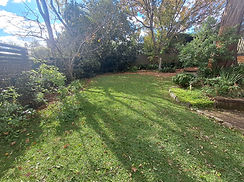
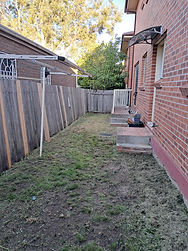
Above: Buffalo lawn suffering from invasive basket grass and weeds, drainage and irrigation issues from compacted clay soil.


Day 1: Entire lawn was sprayed with herbicide to remove grass, weeds present, roots and all.


This normally takes between 1-3 weeks for best results.


Day 2: The old turf was completely removed. Soil was decompacted.


Day 3: An organic landscape soil medium for turf laying was mixed into the existing clay soil. 

Day 4: Rolls of Sir Walter Buffalo turf from Sydney's Hawkesbury region were delivered on the morning. It was a very warm, late summers day. The turf was layed to plan. A timely afternoon thunderstorm provided the optimal irrigation required and nitrogen boost. A blessing from the skies!

Above: A vibrant and healthy established lawn - mid autumn. 

Lawn mowing, Maintenance & clean ups

Garden Design & Soft Landscaping

Pressure cleaning

bottom of page